Can You Convert A Manual Microblading Certificate To A Machine-Based Qualification Without Doing A Full Course?
Can you convert a manual microblading certificate to a machine-based qualification without doing a full course? That’s a question that Melbourne artists are asking themselves just about every month – usually right after theyve mastered those delicate manual strokes and are itching to switch to a PMU machine.
We get asked that a lot by artists whove completed their microblading training – whether it was through Face Figurati or somewhere else. It’s natural to wonder if you can just fast-track your way into digital brows using your existing certificate.
But converting from a manual handheld tool to machine work isn’t just a matter of swapping in a new tool – it’s a whole different ball game. The two methods behave differently, heal differently, and carry different risks. So today, let’s get down to the nitty-gritty of what really transfers, what doesn’t, and how Melbourne regulations shape the kind of training you’d actually need.
Contents
- 1 Understanding The Real Shift From Manual To Machine
- 2 Where Your Previous Training Fits Into Machine Learning
- 3 Melbourne Regulations & Why Training Is Non-Negotiable
- 4 Why Manual Skills Don’t Transfer to Machine Brows
- 5 A Real Case Study — Where Conversion Went Wrong
- 6 Why Machine Techniques Cannot Be Self-Taught
- 7 What A Proper Machine Upskill Training Should Offer
- 8 Typical Duration Of Machine Upskill Training
- 9 Final Thoughts – And A Reality Check For Melbourne
- 10 FAQ
- 10.1 Can I just use my microblading certificate to do PMU machine brows?
- 10.2 Do machine courses accept prior experience from microblading brows?
- 10.3 Can distance learning replace live training?
- 10.4 Will my existing knowledge of colour theory transfer?
- 10.5 Why do insurers require supervised assessments?
Understanding The Real Shift From Manual To Machine
If you’ve been using a manual handheld tool or a disposable hand tool, you probably already get the hang of stroke flow and the natural hair growth cycle. But when you switch to a PMU machine, you’re going to be facing a whole host of new challenges: needle configuration, torque, oscillation, fine needles versus super fine needles, pigment choices, and how the skin heals under semi-permanent make-up.
Working with a machine requires you to be able to handle:
- • Needle configuration and needle safety – not just one-time considerations but something you need to think about every time you use a machine.
- • Colour theory – especially when it comes to correcting undertones.
- • Fitzpatrick skin tone scale matching – a skill that takes a lot more practice to master when working with a machine.
- • Pigment formulation – and specifically how it works when you’re implanting it digitally.
- • How pigment behaves when it’s being rapidly oscillated.
- • Advanced pattern design for machine strokes – taking into account the limitations and abilities of the machine
We see a lot of cases at Cosmetic Tattoo Melbourne where artists get themselves into trouble because they don’t appreciate just how different machine work is from manual microblading.
Where Your Previous Training Fits Into Machine Learning
Even a really thorough Microblading course only teaches you a fraction of what machine tattooing requires. Sure, you learned about mapping techniques and the basics of colour theory – but your training manual probably didn’t cover any of the following:
- • Using a PMU machine motor – a completely new skill you need to master.
- • Digital brows speed dynamics – understanding the speed and pressure that a machine needs.
- • Machine-specific pigment implantation – which requires a lot of practice to get right.
- • Practical assessments using cartridges – a whole new way of testing and learning.
- • Depth control with a digital device – something you just can’t replicate with a manual tool.
- • Shading modules and live model work – used in conjunction with a machine.
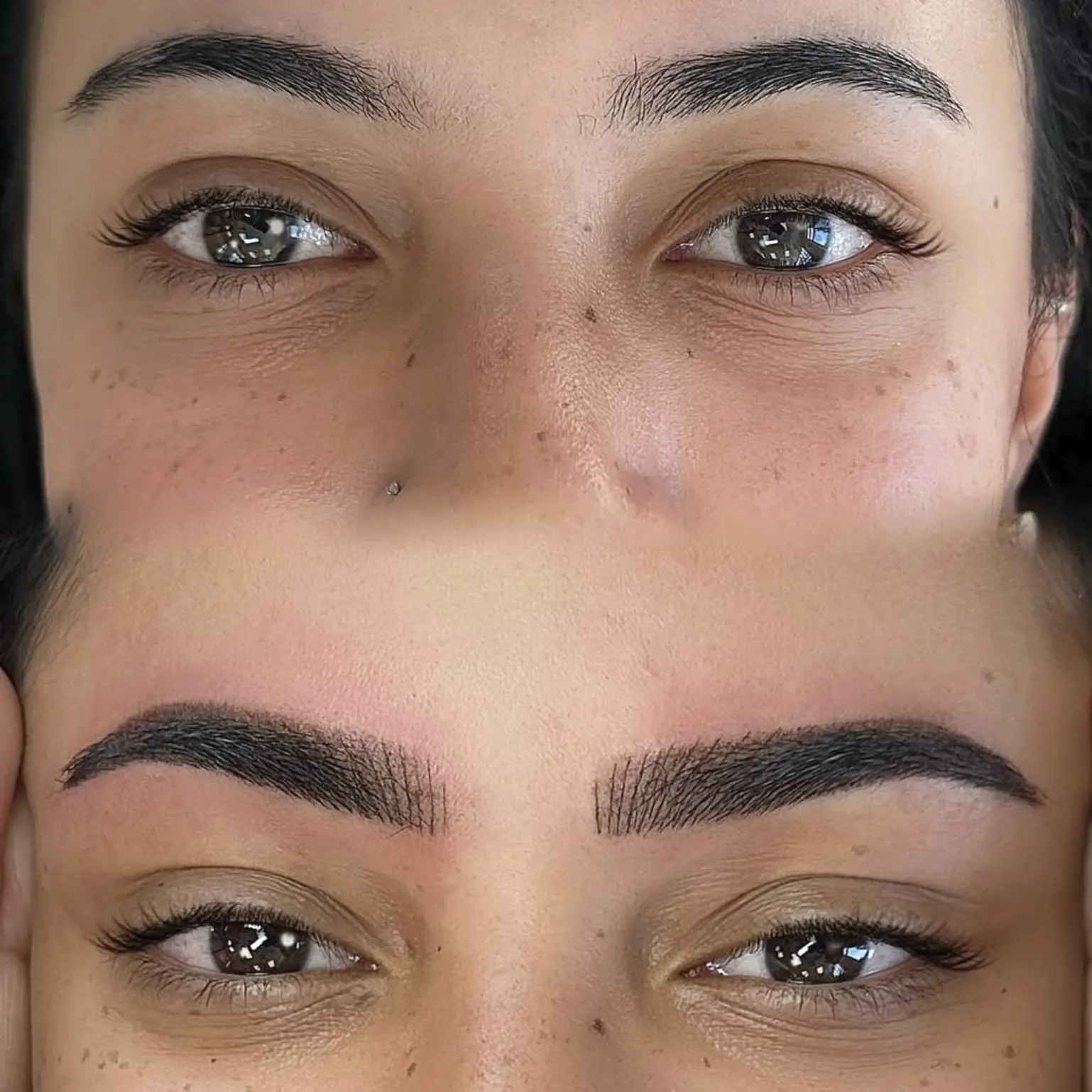
Microblading strokes created with a blade rely on a sense of touch – a tactile depth feel that you just lose once you start using a machine with a motor.
Melbourne Regulations & Why Training Is Non-Negotiable
Melbourne regulations are clear: if you want to provide cosmetic tattoo services, you’ll need to have completed infection-control competency and method-specific training, and have that training certified. The good news is that the council doesn’t require you to use a specific training provider, but you will need to show that your training modules align directly with the treatments you offer.
Insurance companies also have some pretty strict requirements:
- You’ll need to be able to prove you’ve had training on PMU machines.
- You’ll have to demonstrate you can do practical assessments on real people.
- You’ll need to have actually sat through a classroom session on safety, rather than just reading about it online.
- You’ll have to show that you’ve had supervised case study submissions to prove your skills.
- And finally, you’ll need to show that your skills match the standards for permanent makeup.
So what does that all mean in plain English? It means that just having a certificate from a microblading course isn’t enough to let you do machine brows. Machine brows are a higher risk treatment – you’re more likely to over-traumatise the skin, get blowouts, and end up with deep pigment implantation. You’re going to need to get yourself up to speed and get some fresh qualifications.
Why Manual Skills Don’t Transfer to Machine Brows
Let’s face it – your existing microblading skills are pretty useful. You already know how to map out a face, how to use the Fitzpatrick skin tone scale, and how to get perfect symmetry. But machine brows? That’s a whole different story. Machine brows require completely different muscle memory – you can’t just rely on the skills you already have.
Some of the common issues we see when artists try to switch to machine brows include:
- Their hand speed isn’t quite right for the PMU machine
- They’re implanting pigment unevenly
- They’re not using the right needle configuration for the skin type they’re working with
- They’re overworking thin or mature skin
- They’re applying colour theory all wrong when it comes to machine shading
- They’re skipping over live practice days because they think they can just get by with online training
Here’s the thing: when artists come to us, and they’re struggling, 9 times out of 10, it’s because they didn’t do the proper face-to-face learning and instead relied on online or distance learning.
A Real Case Study — Where Conversion Went Wrong
I had a microblading artist come to my studio from Fitzroy a while back. She had attempted to do digital brows on a client, but it had gone completely wrong. She’d done some practice on latex sheets and had watched all sorts of online training videos, but she hadn’t actually had any supervised practice with live models.
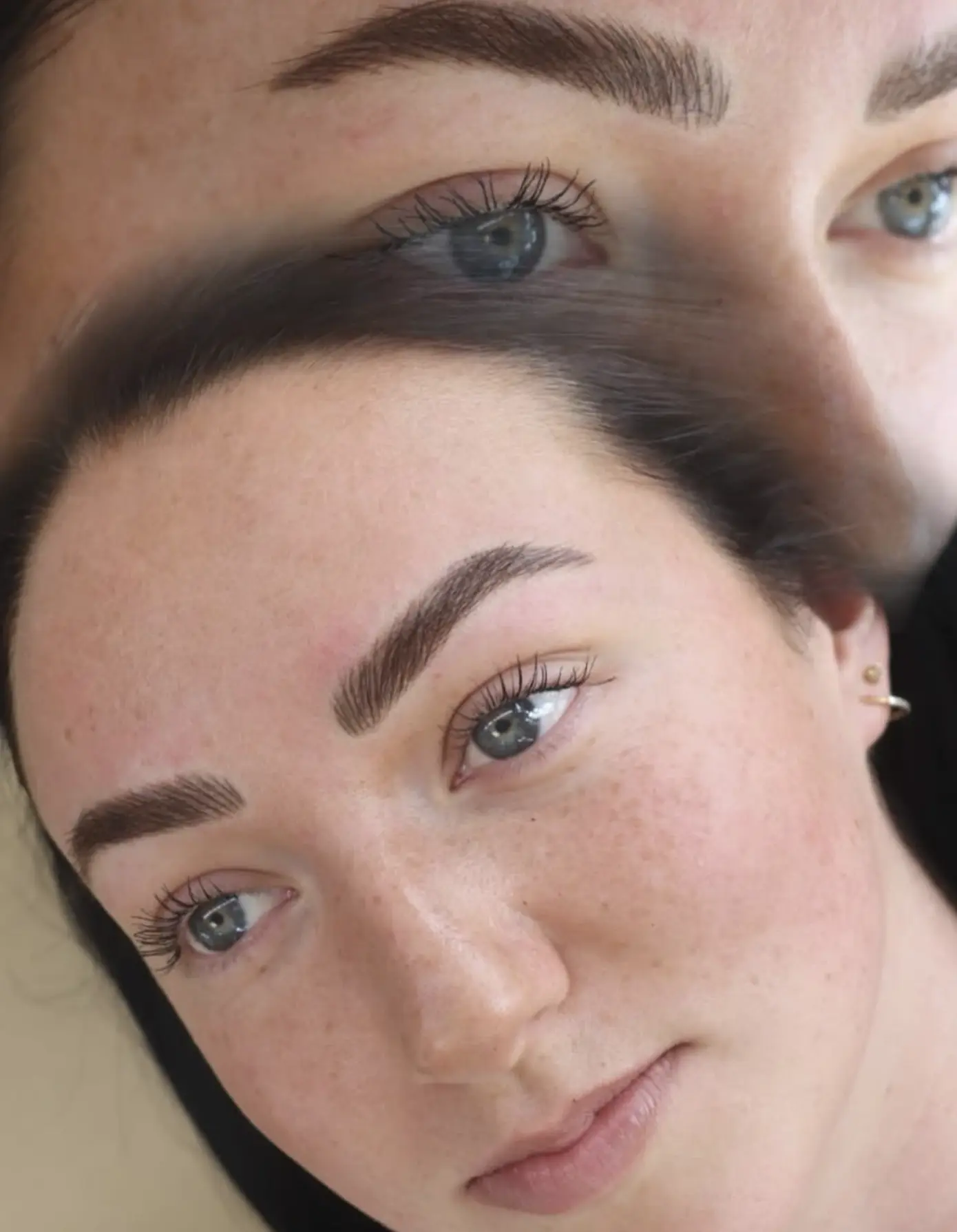
When we looked at the healed results, what did we see? We saw greyish tones because she’d made the wrong pigment choices. We saw patchiness because her machine speed was all over the shop. We saw shallow implantation because she was scared of hurting the client (when in reality, you need to be confident in your skills to do the job right). And we saw uneven patterns because she hadn’t yet understood the advanced pattern techniques.
After reviewing her work, it was pretty clear that she needed to get some proper formal training that included practical assessments – not just theory-based distance learning. Without the right supervised machine training, even the best manual artists will struggle.
Why Machine Techniques Cannot Be Self-Taught
Of course, there are some shortcuts you can take, but only if you already have a solid foundation in brow mapping, choosing the right pigments, and keeping the work area clean.
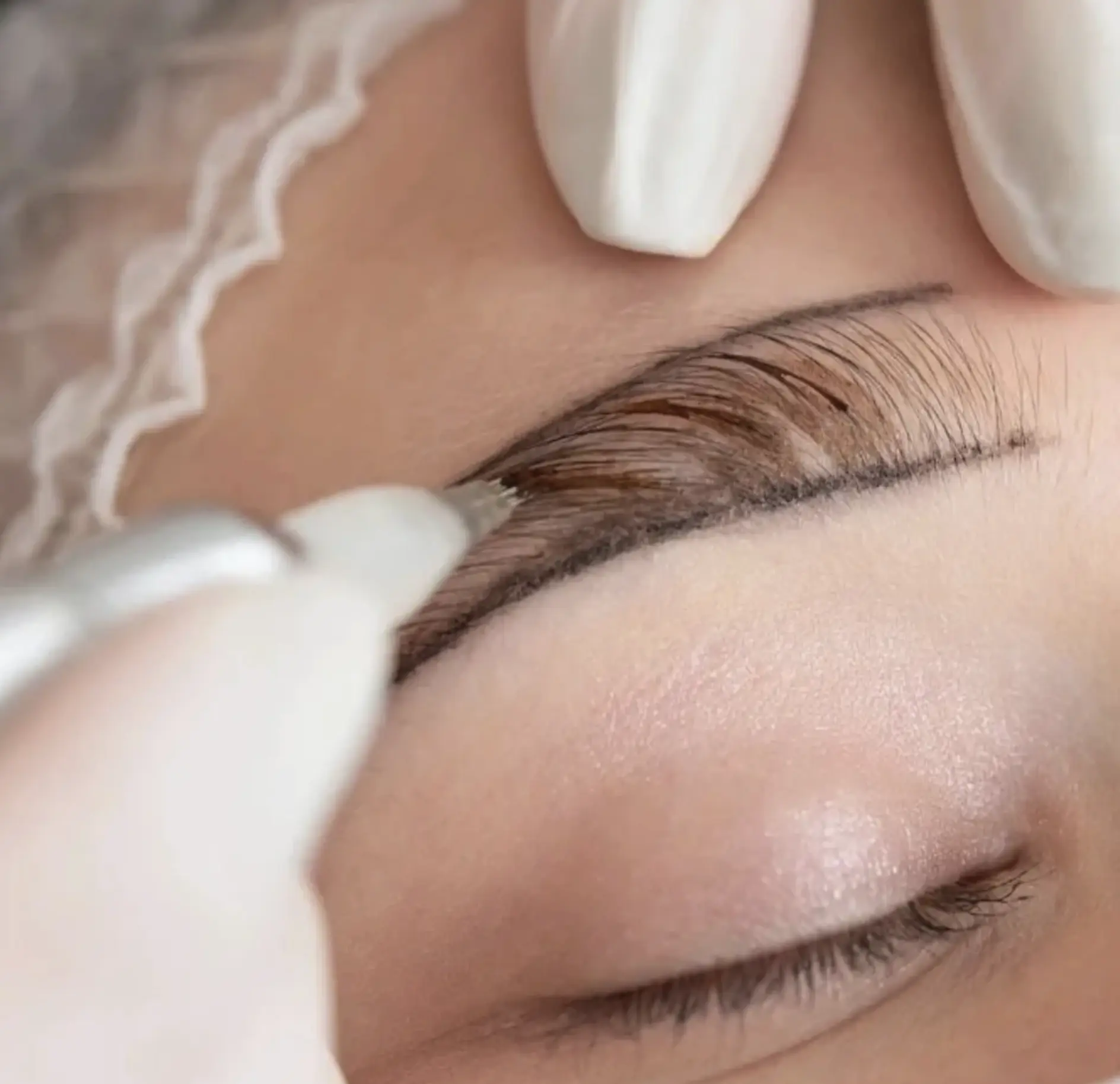
You might get away with skipping some of the basics – like learning about the structure of the skin or general hygiene. But when it comes to getting hands-on practice with the machines, learning how to put pigments in, working with live models, getting some hands-on feedback, and actually configuring the needles right? That’s a must.
A proper accredited micropigmentation course or bridging course will make sure you’re up to code with the industry and that you’re covered in case something goes wrong.
What A Proper Machine Upskill Training Should Offer
A top-notch machine course should include:
- PMU machine mechanics — speed, torque, needle depth
- Colour theory refresher — pigment formulation, undertones, correction
- Pigment implantation practice — building coverage evenly
- Training modules with a structured training manual
- Practical assessments — supervised live models
- Face-to-face classroom learning for pattern corrections
- Case study reviews for real-world conditions
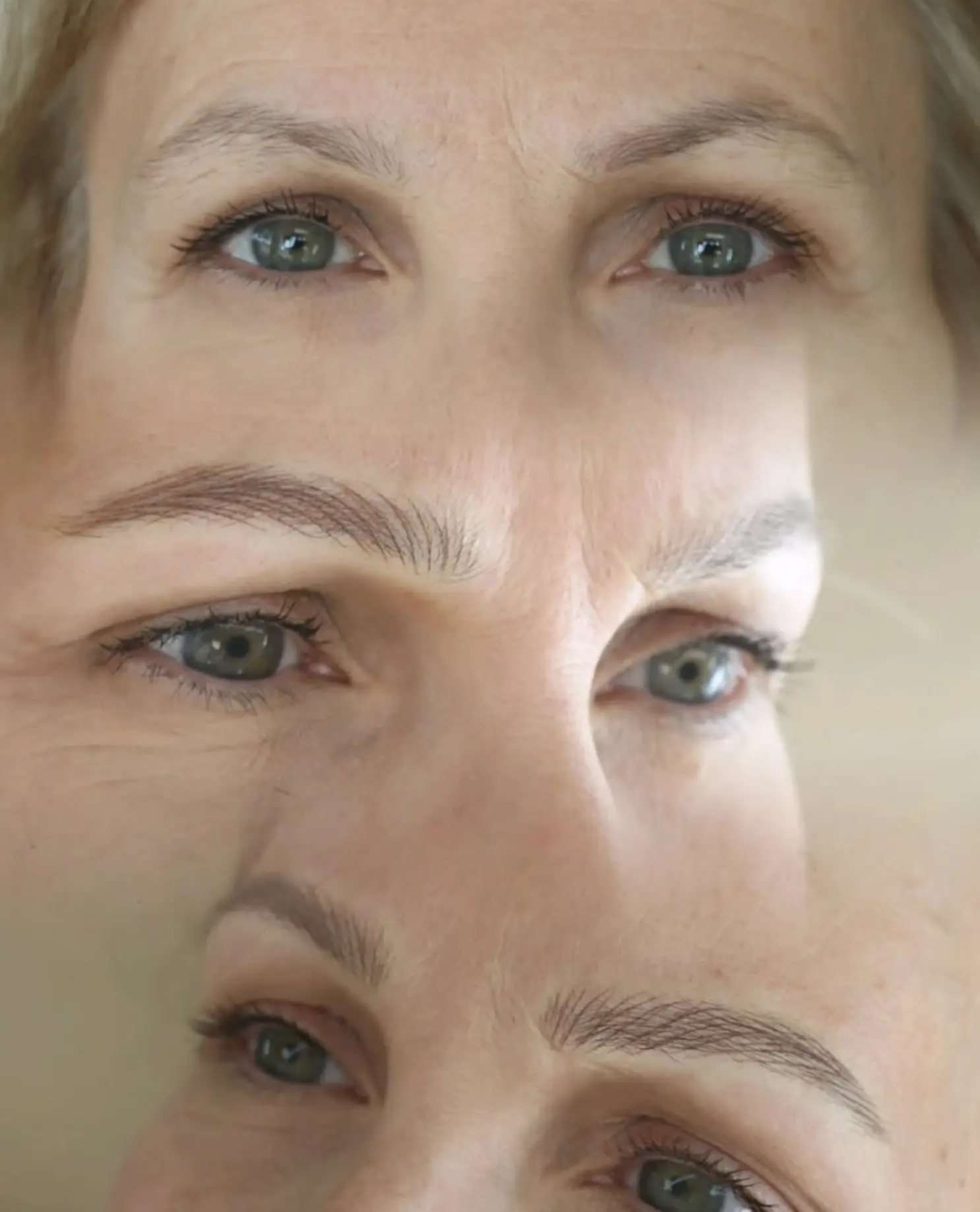
- Focus on cosmetic tattoo harmony between manual and digital techniques
That way, you’re not just waving around a PMU machine – you’re actually in control of it.
Typical Duration Of Machine Upskill Training
Most Australian PMU training courses fall into four categories:
| Course Type | Duration | Notes |
| Bridging machine course | 1–2 days | Must include practical work |
| Intro to machine fundamentals | 2–3 days | Includes latex + live models |
| Advanced pattern machine brows | 3–5 days | Best for serious artists |
| Distance learning | Theory only | Must be paired with a live training day |
Final Thoughts – And A Reality Check For Melbourne
Machine brows deliver great results for clients, but if you want to get into digital machine eyebrow work, you need to be prepared for more control and a lot more knowledge. To expand into this confidently, you’ll need to get on the right program – and trust us, the investment is worth it, for the skills, safety, and the long-term trust you build with your clients.
If you ever need a hand choosing a course or getting to grips with your current training and case studies, don’t worry, I’m here to help out.
FAQ
Can I just use my microblading certificate to do PMU machine brows?
No, you need to complete machine-specific training before doing any permanent makeup work.
Do machine courses accept prior experience from microblading brows?
Yes, they probably will. If you’ve got microblading experience under your belt, it might cut down your training time a bit, but you won’t skip the hands-on part.
Can distance learning replace live training?
No way. While you can do the theory bits at home, when it comes to real people and face-to-face with your instructor, that’s where the magic happens.
Will my existing knowledge of colour theory transfer?
Not entirely, I’m afraid. Machine work is a different beast with different pigment implantation techniques and undertones – so you’ll need to go in with a bit of a blank slate.
Why do insurers require supervised assessments?
Because machine brow work carries more risks than microblading, they need to see that you can do it safely before they’ll cover you.